How to Prepare for Mohs Surgery: A Step-by-Step Guide
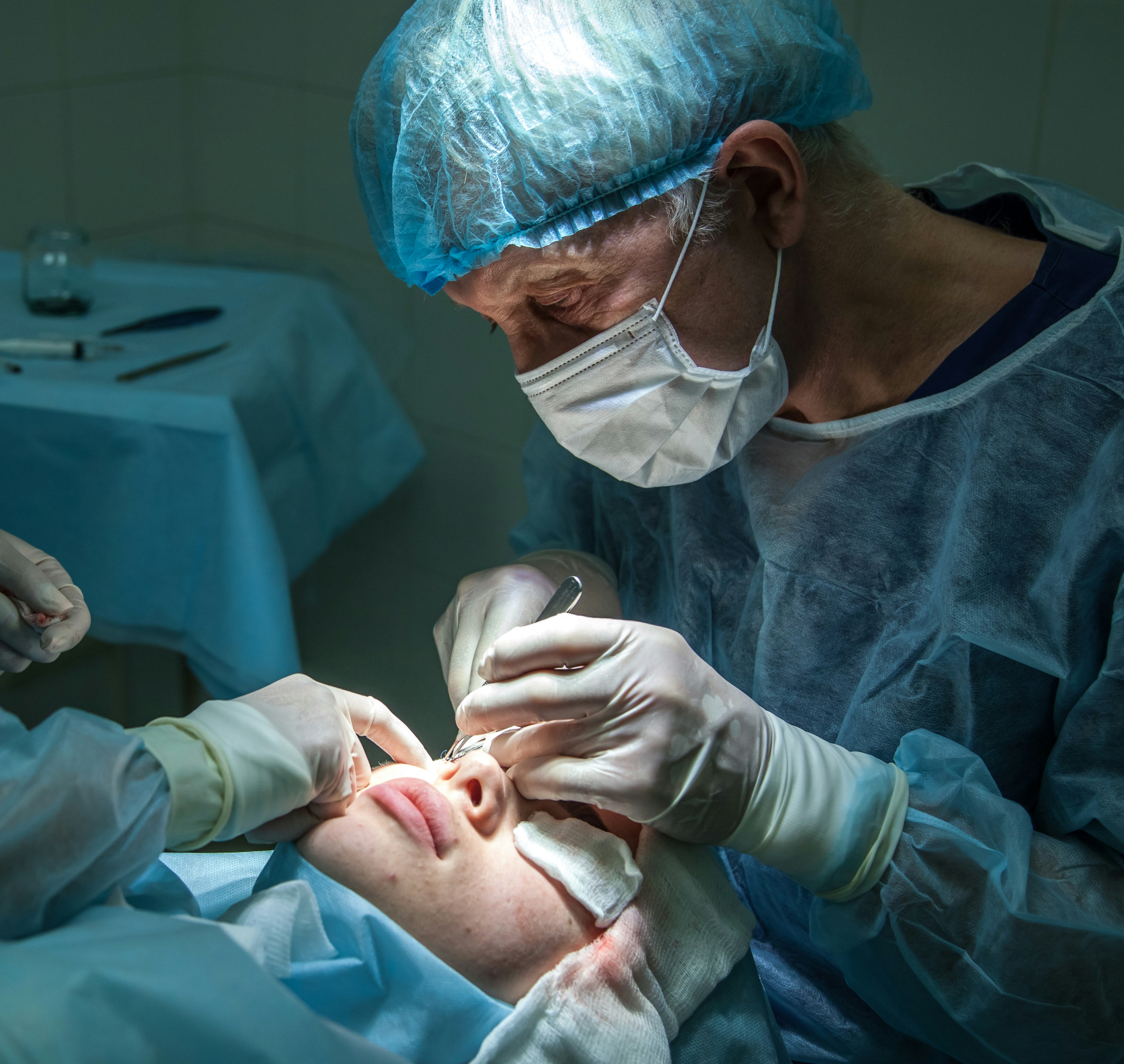
Knowing what a procedure involves lowers the anxiety around it significantly. Mohs surgery takes most of a day, involves waiting between stages, and asks a few specific things of you beforehand. Understanding how to prepare for Mohs surgery means arriving ready rather than uncertain, and that difference matters more than patients expect.
Ten Days Out: Review Your Medications
This is the earliest step and the most important one. We ask patients to avoid aspirin and aspirin-containing products, including Anacin, Bufferin, and ibuprofen brands such as Motrin and Advil, for ten days before surgery, because these thin the blood and can increase bleeding during the procedure. Acetaminophen, sold as Tylenol, works as a substitute.
Something very important: never stop a prescribed medication on your own. If your physician has you on aspirin or a blood thinner for cardiac or other reasons, continue taking it unless that physician specifically directs otherwise. Bring this up at your consultation so your care team can coordinate.
The Night Before
Wash your hair the evening prior. Your wound and initial dressing may need to stay dry for 48 hours afterward, so this is your last convenient opportunity.
Skip alcohol for the full 24 hours before your appointment. Get a solid night of sleep, and plan on a full breakfast the morning of, since you will be at our office for an extended stretch.
What to Wear and Bring
Choose loose fitting clothing and avoid anything you pull over your head. If where you're getting the surgery is on your face, come without makeup.
Bring a book, handiwork, or something else to occupy you, plus lunch or a snack. Considerable time passes while our laboratory processes tissue between stages. We also ask that no more than one person accompany you, since our waiting room has limited space.
Patients searching for a Mohs surgery doctor near me sometimes overlook this scheduling reality. Plan your entire day around the appointment rather than squeezing it between other commitments.
What Happens After You Arrive
We obtain written consent, take photographs, and record your blood pressure. Any remaining questions are welcome at this point.
Your physician cleanses the area with antibacterial soap, then numbs it with a small local injection similar to the one used for your biopsy. Anesthetizing the area and removing the tissue typically takes around 15 minutes, and processing that tissue in our laboratory adds roughly 45 minutes. Your wound gets bandaged while you wait.
If examination reveals remaining tumor, we remove another layer and repeat the process. Most skin cancers clear within one to three stages, though that varies by case.
Planning for the Week Afterward
Expect to wear a bandage and avoid strenuous activity for about a week. Most of our patients report minimal discomfort that responds to Tylenol, though individual experiences differ.
Arrange transportation home in advance, particularly if your reconstruction requires more extensive work. Follow-up visits occur at six weeks, six months, and one year, and continued skin surveillance afterward matters because developing one skin cancer raises the likelihood of others. Our Mohs surgery Delaware team schedules those visits before you leave.
We Will Walk You Through It
At Premier Dermatology, our physicians handle diagnosis, surgery, and reconstruction under one roof, so nothing gets handed off mid-process. If you have questions about how to prepare for Mohs surgery that your consultation did not cover, call us before your appointment rather than wondering the night before.
Patients pursuing Mohs surgery Delaware providers can reach us at any of our four locations, and anyone still looking for a Mohs surgery doctor near me can review our physicians directly. Understanding how to prepare for Mohs surgery starts with an honest conversation, and Premier Dermatology is ready to have it whenever you are.