Skin Cancer Screening: What to Expect at Your First Mole Check
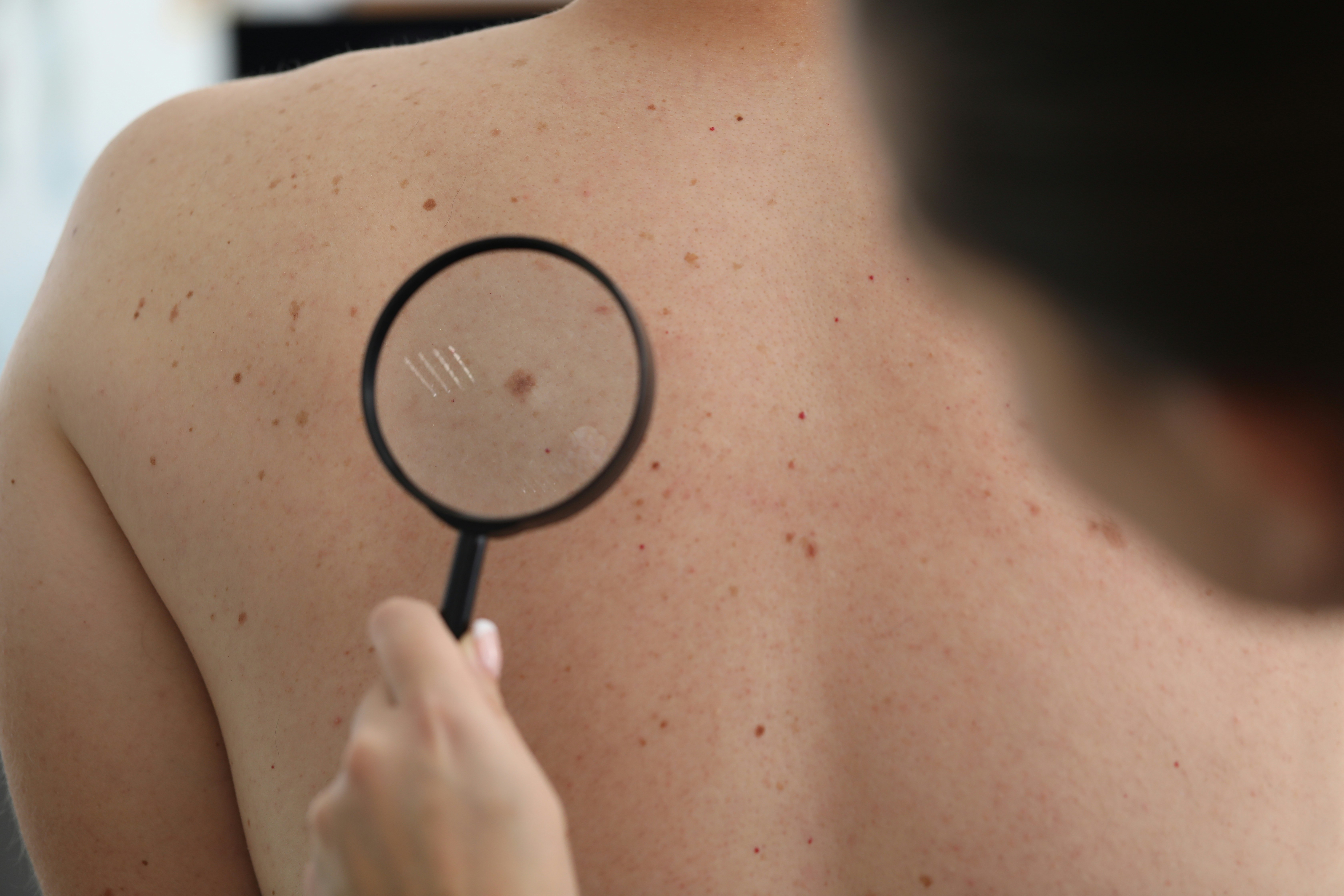
Booking your first skin cancer screening can bring up more nerves than you'd expect. Most patients worry about what happens behind the exam room door, how long it takes, and what it means if the doctor spots something. The visit itself is straightforward, and knowing the steps ahead of time makes it far easier to walk in relaxed. Here is what a skin cancer screening Delaware patients schedule with us typically involves.
Before Your Appointment
A little preparation beforehand makes your visit much more productive. The American Cancer Society, recommends noting any spots that concern you before your visit. If you notice a changing spot and can’t be seen right away, take close-up photos every few days to show your doctor how it has changed over time.
It also helps to know your history. Think about past sunburns, tanning bed use, and whether anyone in your family has had skin cancer. Because a thorough check includes your fingernails and toenails, arriving without nail polish gives your mole check dermatologist a clearer view.
What Happens During the Exam
Your visit starts with a conversation. According to the American Cancer Society, your provider will likely ask:
- When a spot first appeared and whether it has changed
- Whether an area is painful, itchy, or bleeding
- About past sun exposure, tanning, and sunburns
- Whether you or a family member has had skin cancer
From there the exam moves across your skin, including areas you can’t easily see yourself. Your provider examines and measures any areas of concern, noting size, shape, color, and texture, and whether a spot is bleeding, oozing, or crusting. Dermatologists also use special tools to examine spots more closely. For most patients, a full skin cancer screening Delaware residents complete with us ends with reassurance and a plan for next steps.
If Something Looks Suspicious
A suspicious spot does not automatically mean cancer. When a growth needs a closer look, your provider performs a biopsy, removing a small sample for a lab to examine under a microscope.
If a biopsy confirms skin cancer, treatment depends on the growth's type, size, and location. At Premier Dermatology, options include freezing, excision, laser therapy, Mohs surgery, and topical treatments for growths on the top layer of skin. Most removal procedures require only local anesthetic in an outpatient setting, and patients seeking skin cancer treatment Newark DE can receive that care close to home.
How Often to Come Back
The American Cancer Society notes that higher-risk people should talk with their care team about how often to check their skin. That includes anyone who has had skin cancer before, has numerous moles, has a strong family history, or has a weakened immune system. Your mole check dermatologist will recommend a schedule based on your own risk.
Screening and Treatment in Newark
Premier Dermatology sees patients at four Delaware offices, including our Apex Medical Center location at 537 Stanton Christiana Road in Newark, which offers evening hours on Mondays and Tuesdays. Patients who need skin cancer treatment Newark DE can be screened, diagnosed, and treated without bouncing between practices.
Schedule Your First Check
Your first screening sets a baseline for every check that follows. If it’s time for a skin cancer screening Delaware patients trust, request an appointment and we will take it from there.